




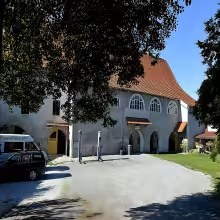
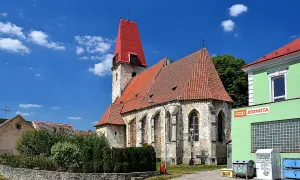
Cehnice is a historical monument located in the village of Cehnice within the Strakonice District, Jihočeský kraj, Czech Republic. This Renaissance-style tvrz, or fortified manor house, dates back to at least 1342 and stands as a testament to the region's rich history. The site is notable for its architectural elements from the sixteenth and seventeenth centuries, including preserved sgraffito decorations on its façade. Today, it serves as privately owned housing but remains protected as a cultural monument due to its historical significance.
The origins of Cehnice are rooted in medieval Bohemia, part of the Holy Roman Empire during the fourteenth century. The first documented mention of the site is from 1342 when Rudolf z Cehnice was recorded as an owner. Over time, it became associated with several notable families, including the Lords of Říčany, who held possession until 1602. During this period, the fortress underwent significant transformations, particularly in the Renaissance style during the sixteenth and seventeenth centuries.
Architecturally, Cehnice is characterized by its single-story structure with an oblong floor plan and gabled roof. Noteworthy features include a small risalit on the north side and a gallery with semi-circular arcades on the south. The eastern and lateral facades boast high shields and fragments of Renaissance sgraffito, showcasing the artistic influences of its time.
Ownership of Cehnice has seen several transitions throughout history. Initially held by Rudolf z Cehnice in 1342, it later passed through various hands, including Vilém z Cehnice, Bohuslav z Cehnice, and Karel Tříská. In the sixteenth century, King Ferdinand I elevated Cehnice to a town status, marking a significant event in its history. However, during the Thirty Years' War, the castle was burned but subsequently restored for administrative purposes.
Key events at Cehnice include its elevation to town status by King Ferdinand I in 1540 and its restoration after being destroyed during the Thirty Years' War. Despite losing its market town privileges later on, these historical milestones highlight the site's importance over the centuries.
Today, Cehnice is accessible as a privately owned building used for housing. Its preservation as a cultural monument underscores its value to both history enthusiasts and visitors interested in Renaissance architecture. The remnants of sgraffito decoration and other architectural elements make it a worthwhile destination for those exploring the South Bohemian Region's historical sites.
Cehnice offers a unique glimpse into the past, reflecting the region's historical evolution through its architecture and ownership lineage. Visitors are invited to explore this cultural monument, appreciating its significance as part of Czech history and enjoying the preserved elements that continue to tell its story.
Historical milestones
- 1342
- Rudolf z Cehnice was the first known owner.
- 1540
- Cehnice was elevated to a town by King Ferdinand I.
- 1602
- Jan Kavka z Říčan sold the estate to Zdeňka Jana Říčanského z Říčan.
- 1612
- The estate was purchased by Anně Malovcové z Újezda.
Architectural development
Originally constructed in the medieval period, Cehnice underwent significant renovations in the sixteenth and seventeenth centuries. The current structure is a single-story building with an oblong floor plan and gabled roof. Architectural features include a small risalit on the north side and a gallery with semi-circular arcades on the south. High shields and fragments of Renaissance sgraffito are preserved on the eastern and lateral facades.
Historical events
Cehnice was elevated to a town by King Ferdinand I in 1540.
The castle was burned during the Thirty Years' War and later restored for administrative purposes.
Owners
Rudolf z Cehnice (1342)
Vilém z Cehnice (1358)
Bohuslav z Cehnice (1374–1393)
Karel and Bušek, sons of Bohuslav (1401)
Zachariáš z Říčan and Mikuláš (1475 onwards)
Jan Kavka z Říčan (1563)
Anně Malovcové z Újezda (1612)
Points of interest
– Despite its current use as private housing, Cehnice was once elevated to town status by King Ferdinand I in 1540, a rare honor for such a small settlement.
– The Renaissance-style sgraffito decorations on the façade of Cehnice are among the few remaining examples from the sixteenth and seventeenth centuries in the region, showcasing intricate artistic techniques that were popular during its time.
Guide
Show guide text
Welcome to the historic site of Cehnice, a castle nestled in the village of the same name within the Strakonice District, Jihočeský kraj. As you stand here, imagine yourself stepping back into history, surrounded by the charm and mystery that this cultural monument exudes. The air is thick with stories from centuries past, inviting you to explore its rich tapestry.
Cehnice first emerged in historical records in 1342 when Rudolf z Cehnice was noted as its initial owner. Over time, it evolved into a noble seat, serving the local aristocracy from the fourteenth century until the early seventeenth century. Its significance grew further in 1540 when King Ferdinand I elevated Cehnice to town status—a rare honor for such a small settlement. This elevation marked an era of prosperity and importance within the region.
As you gaze upon the castle, take note of its architectural elements from the sixteenth and seventeenth centuries. The Renaissance-style sgraffito decorations on the façade are among the few remaining examples from that period. These intricate designs provide a glimpse into the artistic endeavors that once flourished here, reflecting both beauty and historical significance.
Cehnice's history is intertwined with several notable figures. Rudolf z Cehnice laid its early foundations, while Vilém z Cehnice and Bohuslav z Cehnice continued its legacy through their stewardship. In 1602, Jan Kavka z Říčan sold the estate to Zdeňka Jana Říčanského z Říčan, marking a significant transition in ownership. By 1612, Anně Malovcové z Újezda had acquired it, further embedding Cehnice into the fabric of regional history.
One intriguing aspect of Cehnice is its current use as private housing, contrasting sharply with its former status as an elevated town. This transformation highlights the dynamic nature of historical sites and their ability to adapt over time while retaining their essence.
As you continue your exploration, consider delving deeper into the stories that these walls could tell. Each corner holds a whisper from the past, inviting you to uncover more about the lives and times that have shaped this remarkable place. Thank you for visiting Cehnice, and may your journey through history be both enlightening and inspiring.
Tips for visitors
The best time to visit Cehnice Castle is during late spring or early autumn when the weather is mild, making it ideal for exploring the grounds comfortably. During these seasons, you can enjoy the lush greenery and blooming flowers around the castle without the summer crowds or winter chill. Additionally, visiting on a weekday might offer a quieter experience compared to weekends.
Parking at Cehnice Castle is generally available nearby, allowing visitors to drive directly to the site. For those preferring public transport, it's advisable to check current connections via local transit websites or apps as they can provide up-to-date information on buses and trains that stop near Strakonice District. This ensures a smooth journey to the castle.
When planning your visit, consider bringing comfortable walking shoes, especially if you plan to explore the surrounding areas of the castle. A hat and sunscreen are recommended for protection against the sun during warmer months. Additionally, carrying a water bottle will help keep you hydrated throughout your exploration.
For photography enthusiasts, early morning or late afternoon light offers the best conditions for capturing Cehnice Castle's architecture with soft shadows and warm tones. The eastern side of the castle can provide particularly stunning views as the sunlight illuminates its structures beautifully during these times.
Nearby attractions within a 30-minute drive include the picturesque village of Strakonice, known for its charming streets and historical sites like the Church of St. James. For families with children, consider visiting local parks or nature trails in the area that offer opportunities for outdoor activities and exploration.
Businesses nearby
Do you run a restaurant, accommodation, shop, museum, rental, wellness or other visitor service near this monument? Show yourself directly to the people heading to it — this is how they will see you in the app and on the web:
Accommodation nearby
Themed route
Tematická výletní trasa: Cehnice a okolí
1. Cehnice (tvrz) *Typ:* Historická tvrz *Proč stojí za návštěvu:* Tato historická tvrz je jednou z nejstarších v Čechách, s kořeny sahajícími až do 12. století. Je skvělým příkladem středověké architektury a nabízí návštěvníkům pohled na její výjimečnou historii prostřednictvím expozic, které ilustrují život v dobách minulých. Navíc je okolní park ideální pro relaxaci a pochopení historického kontextu.
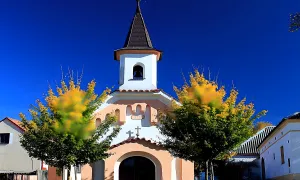
2. Kaple svaté Anny *Typ:* Kaple *Proč stojí za návštěvu:* Tato kaple, nacházející se v blízkosti tvrze Cehnice, je přitažlivá svou klidnou atmosférou a historickým významem. Je to místo pro meditaci a odpočinek, které nabízí návštěvníkům pohled na klasickou sakrální architekturu s bohatou historií.
3. Cehnický rybník *Typ:* Rybník *Proč stojí za návštěvu:* Cehnický rybník je ideálním místem pro relaxaci a zábavu v přírodě. Nabízí možnosti k plavání, rybaření nebo jen procházky po březích, což umožňuje návštěvníkům uvolnit se a ocenit krásy místní přírody. Je to také výborné místo pro rodinné výlety.
4. Nádvoří tvrze Cehnice *Typ:* Historické nádvoří *Proč stojí za návštěvu:* Nádvoří tvrze je klíčovou součástí celkového zážitku, protože nabízí návštěvníkům možnost prozkoumat historický prostor a si všimnout detailů architektury. Je to ideální místo pro pochopení struktury tvrze a jejího vývoje, s příležitostmi k fotografování a učení se o minulosti.
Tato trasa nabízí kombinaci historického objevování a relaxace ve větším okolí tvrze Cehnice, což umožňuje návštěvníkům plně si užít jejich zkušenosti.
Seasonal recommendations
Spring: Visiting Cehnice Castle during spring offers a serene experience as the surrounding landscape bursts into life with blooming flowers and lush greenery, creating a picturesque backdrop for exploring the historic site. The gentle warmth of the season provides an inviting atmosphere to stroll through the castle grounds and enjoy nature's renewal. Visitors should be prepared for occasional showers, so packing a light raincoat or umbrella is advisable. Early mornings are ideal for visiting as they tend to be quieter before larger crowds arrive, allowing you to appreciate the beauty of spring in peace.
Summer: Summer at Cehnice Castle is characterized by vibrant colors and long daylight hours, making it perfect for extended exploration of its historical architecture under bright sunshine. The lush gardens surrounding the castle are particularly stunning during this season, offering a tranquil escape from the heat. However, summer also brings larger crowds, especially on weekends and holidays, so arriving early in the morning can help avoid peak visitor times. Light, breathable clothing is recommended to stay comfortable in the warm weather, along with sunscreen and plenty of water.
Autumn: Autumn at Cehnice Castle provides a magical experience as the foliage turns into brilliant shades of red, orange, and yellow, casting a warm glow over the historic structures. The cooler temperatures make it an ideal time for leisurely walks through the castle grounds without the summer heat. As the days grow shorter, visiting in the late morning or early afternoon ensures ample daylight to fully enjoy the site's beauty. Layered clothing is advisable to accommodate the variable weather, which can range from crisp and sunny to cool and overcast.
Winter: Winter transforms Cehnice Castle into a serene and picturesque destination, with snow-covered landscapes adding a touch of enchantment to its historic charm. The shorter days mean visiting earlier in the day is essential to make the most of the available light, while the cooler temperatures often result in fewer visitors, offering a more intimate experience. It's important to dress warmly with layers, including a hat and gloves, as winter weather can be unpredictable. While some parts of the castle may have limited access due to conservation efforts during this season, the tranquil atmosphere provides a unique opportunity for reflection amidst the quiet beauty of winter.
Visualizations and artistic views


Vizualizace jsou generovány umělou inteligencí a slouží jako inspirace.

Tips from visitors
No tips yet. Be the first!
Log in and add your tip.
Location on the map
Příběhy a pověsti
Legendy, pověsti a příběhy spjaté s touto památkou
Reviews and comments